
How to Deal With Daily Anxiety: 5 Practical Steps to Feel More in Control
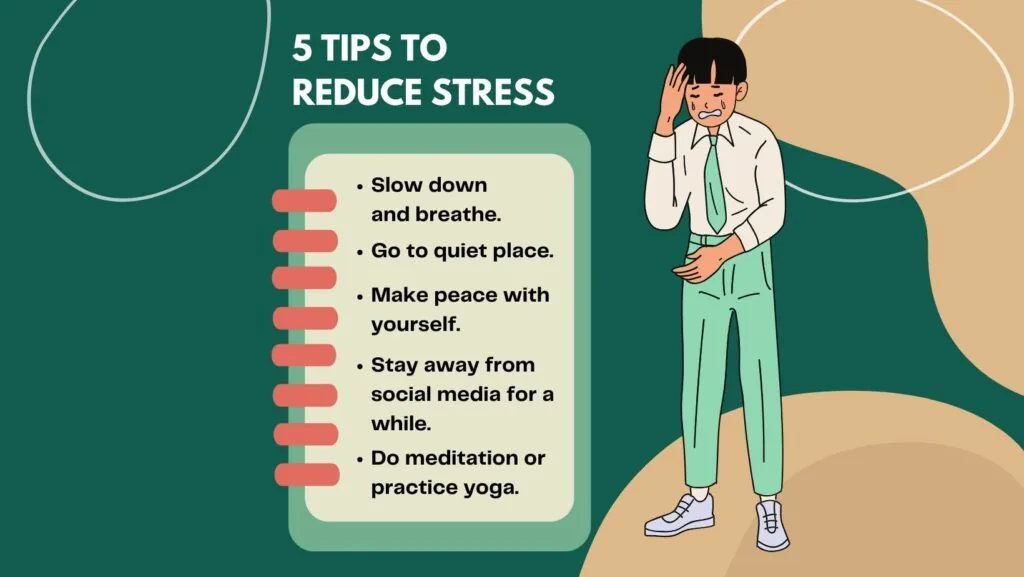
How to deal with daily anxiety is a question many people ask when stress and constant worrying begin to affect their everyday lives. Work, finances, relationships, health, and uncertainty about the future can all contribute to feelings of anxiety.
While occasional anxiety is a normal response to stressful situations, dealing with constant worry can be challenging. The goal is not necessarily to eliminate anxiety completely, but to learn how to manage it and prevent it from controlling your day.
Fortunately, there are several practical strategies that can help. In this guide, we will explore 5 practical steps for dealing with daily anxiety, along with simple lifestyle habits that can support better emotional balance.
What Is Daily Anxiety?
Anxiety is a natural response to stress or situations that the brain perceives as threatening or uncertain. It can affect both the mind and the body.
Daily anxiety may appear as:
- Constant worrying
- Overthinking
- Feeling tense or restless
- Difficulty concentrating
- Irritability
- Trouble relaxing
- Difficulty sleeping
- Feeling overwhelmed by everyday responsibilities
The experience is different for everyone. Some people may become stuck in repetitive thoughts, while others may notice physical tension or difficulty sleeping.
Understanding how anxiety affects you is an important first step toward managing it.
How to Deal With Daily Anxiety
There is no single solution that works for everyone. However, several practical strategies can make it easier to manage everyday anxiety and reduce the impact it has on your routine.
1. Identify What Is Causing Your Anxiety
One of the first steps in dealing with daily anxiety is identifying what is actually making you worried.
When you notice yourself feeling anxious, ask:
“What exactly am I worried about?”
Instead of thinking, “Everything is going wrong,” try to identify the specific concern.
For example:
- “I am worried about my workload.”
- “I am concerned about my financial situation.”
- “I keep thinking about a decision I need to make.”
- “I am worried about what might happen in the future.”
Writing the concern down can make it feel more manageable. It turns a vague feeling of anxiety into a specific problem that you can examine.
Once you know what is bothering you, ask whether there is anything you can realistically do about it.
2. Focus on What You Can Control
A major source of anxiety is trying to control things that are outside your control.
It can help to divide your concerns into two categories.
Things You Can Control
These may include:
- Your decisions
- How you spend your time
- How you prepare for a situation
- Your daily habits
- How you respond to other people
Things You Cannot Control
These may include:
- Other people's opinions
- Past events
- Unexpected circumstances
- Certain future outcomes
- Decisions made by other people
If the situation is within your control, identify one small action you can take today.
If it is outside your control, constantly thinking about every possible outcome is unlikely to change the situation. Learning to accept uncertainty can therefore be an important part of managing anxiety.
3. Set Aside Time for Worrying
It may sound strange to schedule time for worrying, but setting aside a specific period can prevent anxious thoughts from taking over the entire day.
Try setting aside 15 to 20 minutes at a specific time each day to think about your concerns.
During this time, write down:
- What am I worried about?
- Can I do anything about it?
- What is one practical step I can take?
- What do I need to accept because it is outside my control?
If the same thought appears later in the day, remind yourself that you have a specific time to think about it.
This approach does not mean forcing anxious thoughts to disappear. Instead, it helps create boundaries around worrying so that it does not consume your entire day.
4. Use Movement and Slow Breathing to Reduce Stress
Anxiety does not only affect your thoughts. Stress can also affect your body.
Regular physical activity, such as walking or exercising, can be a useful part of a healthy routine for managing stress and improving overall well-being.
You do not necessarily need an intense workout. A short walk can provide a break from repetitive thoughts and give your mind something else to focus on.
Slow breathing can also be useful when you feel overwhelmed.
Try this simple exercise:
- Sit somewhere comfortable.
- Take a slow, comfortable breath in.
- Exhale slowly.
- Repeat several times.
- Focus your attention on the movement of your breathing.
The goal is not to force yourself to stop thinking. Instead, give yourself a few moments to slow down and redirect your attention.
5. Reduce Habits That May Increase Anxiety
Some everyday habits can contribute to feelings of stress and anxiety, particularly when they become excessive.
Watch Your Caffeine Intake
Caffeine can make some people feel more restless or tense, especially when consumed in large amounts.
Pay attention to how your body responds to coffee, energy drinks, tea, and other sources of caffeine. If you notice that caffeine makes your anxiety worse, consider reducing your intake.
Prioritize Regular Sleep
Poor or irregular sleep can make it harder to deal with everyday stress.
Try to maintain a consistent sleep and wake schedule whenever possible. Creating a relaxing bedtime routine can also make it easier to disconnect from the day's worries.
Take Breaks From Your Phone
Constant notifications, news updates, and social media can keep your brain stimulated throughout the day.
Consider taking regular breaks from your phone and other screens. It can be especially helpful to reduce screen use before going to bed.
How to Stop Overthinking and Constant Worrying
You cannot always stop anxious thoughts simply by telling yourself not to think about them.
Instead, try changing how you respond to those thoughts.
When you notice yourself repeatedly thinking about the same problem, ask:
“Is this thought helping me solve the problem, or am I simply repeating the same fear?”
If the thinking is helping you identify a solution, write down the next practical step.
If you have already considered the situation and there is nothing else you can do, redirect your attention to another activity.
Walking, reading, organizing your surroundings, exercising, or working on a focused task can help interrupt repetitive thinking.
The goal is to move from endless worrying to purposeful problem-solving.
Daily Habits That Can Help Reduce Anxiety
Managing anxiety becomes easier when healthy habits become part of your regular routine.
Some useful habits include:
- Maintaining a regular sleep schedule
- Staying physically active
- Limiting excessive caffeine
- Organizing your daily responsibilities
- Breaking large problems into smaller tasks
- Taking regular breaks from your phone
- Making time for relaxation
- Talking to someone you trust
- Focusing on one problem at a time
- Avoiding constant exposure to stressful information
You do not need to change everything at once.
Starting with one small habit and maintaining it consistently is often more realistic than trying to completely change your lifestyle overnight.
When Should You Seek Professional Help for Anxiety?
Feeling anxious from time to time is a normal part of life. However, persistent or severe anxiety that interferes with your daily activities may require professional attention.
Consider speaking with a qualified mental health professional if anxiety is significantly affecting:
- Your sleep
- Your work or studies
- Your relationships
- Your ability to complete everyday tasks
- Your ability to enjoy activities you normally enjoy
Seeking professional support does not mean that you are weak or unable to handle your problems. A mental health professional can help you understand your anxiety and develop appropriate strategies for managing it.
Frequently Asked Questions About Daily Anxiety
What is the best way to deal with daily anxiety?
There is no single strategy that works for everyone. However, identifying the source of anxiety, focusing on what you can control, staying physically active, maintaining regular sleep, and reducing sources of stress can all be useful strategies.
How can I stop overthinking?
Start by asking whether your thoughts are helping you solve a problem or simply repeating the same worry. If you can take action, identify one small step and do it. If the situation is outside your control, try redirecting your attention toward another activity.
Can walking help with anxiety?
Walking and other forms of physical activity can be useful components of a healthy lifestyle for managing stress and supporting overall well-being. Even a short walk can provide a mental break from repetitive thoughts.
Can coffee make anxiety worse?
Caffeine may increase feelings of nervousness or restlessness in some people, particularly when consumed in large amounts. If you notice that caffeine makes you feel more anxious, reducing your intake may be worth considering.
When should I seek help for anxiety?
If anxiety becomes persistent, severe, or begins interfering with your sleep, work, studies, relationships, or daily activities, consider speaking with a qualified mental health professional.
Final Thoughts
Learning how to deal with daily anxiety is not about eliminating every worrying thought. It is about developing healthier ways to respond to those thoughts.
Start by identifying what is causing your anxiety and separating the things you can control from those you cannot. Set aside time to process your concerns instead of allowing them to dominate your entire day.
Regular physical activity, slow breathing, healthy sleep habits, reduced caffeine intake, and breaks from digital distractions can also support a more balanced daily routine.
Most importantly, do not expect an overnight transformation. Managing anxiety is a gradual process, and small, consistent changes can make a meaningful difference over time.